
A small string of firefly lights at your local Costco warehouse might seem like just another seasonal decoration, but it represents something far more significant: the mainstreaming of solar technology in everyday consumer products. When a membership retail giant places affordable solar lighting alongside bulk groceries and electronics, it signals that renewable energy has moved from niche eco-products to mass-market accessibility.
The phenomenon goes beyond individual product appeal. Costco’s solar firefly lights, typically priced between $20-40 for multi-strand sets, demonstrate how economies of scale and retail distribution networks can accelerate clean energy adoption at the household level. These aren’t high-efficiency panels powering entire homes. They’re entry points, introducing millions of consumers to the practicality of solar-powered solutions through low-risk purchases.
What makes this trend particularly relevant for energy professionals and sustainability advocates is the behavioral shift it reveals. A homeowner who installs $30 solar garden lights today becomes familiar with photovoltaic technology, battery storage limitations, and the economics of sunlight conversion. That experiential learning creates informed consumers who may later consider residential solar installations or advocate for community renewable projects.
The retail strategy also matters. By positioning solar products as convenient, aesthetically pleasing options rather than environmental statements, major retailers normalize renewable technology. This quiet revolution in consumer behavior offers insights into how distributed solar adoption might accelerate not through policy mandates alone, but through accessible products that deliver immediate value while building public confidence in solar reliability.
The Product Behind the Buzz: Fresh Source Solar Firefly Landscape Lights
The Fresh Source Solar Firefly Landscape Lights 4-Pack (#1938098) sits at an unusual intersection of impulse purchase and renewable energy product. At $14.99, this four-light set costs less than most people spend on lunch, yet delivers functional photovoltaic technology that operates entirely off-grid. Each stake-mounted unit houses a small solar panel that charges an integrated battery during daylight hours, then automatically illuminates at dusk with a warm LED glow designed to mimic the gentle flicker of fireflies.
The product’s market penetration tells its own story. According to warehouse tracking data, these lights appeared across 454 Costco locations throughout 2026, an impressive distribution footprint that places solar technology within reach of millions of shoppers who might never visit a dedicated renewable energy retailer. The current availability snapshot reveals both demand intensity and supply chain realities:
| Stock Status | Number of Stores | Percentage |
|---|---|---|
| Total Locations Carrying Product | 454 | 100% |
| In Stock | 213 | 47% |
| Low Stock | 153 | 34% |
| Out of Stock | 88 | 19% |
That 19% out-of-stock rate, combined with another third of locations running low, signals genuine consumer pull rather than retailer push. These aren’t languishing on pallets.
What distinguishes these lights in a crowded solar landscape lighting market isn’t technological innovation but rather the convergence of acceptable aesthetics, reliable functionality, and aggressive pricing. The firefly concept addresses a common complaint about solar pathway lights: their often harsh, utilitarian appearance. By marketing gentle ambient illumination rather than task lighting, Fresh Source positioned these as decorative elements that happen to be solar-powered, not solar products that happen to provide light. That framing matters. It shifts the purchase decision from “Should I invest in solar?” to “Do I want prettier outdoor lighting?” The energy source becomes an added benefit rather than the primary selling point, lowering the psychological barrier for buyers unfamiliar with photovoltaic products.

Small-Scale Solar, Big-Scale Impact: What Firefly Lights Teach Us About Energy Democratization
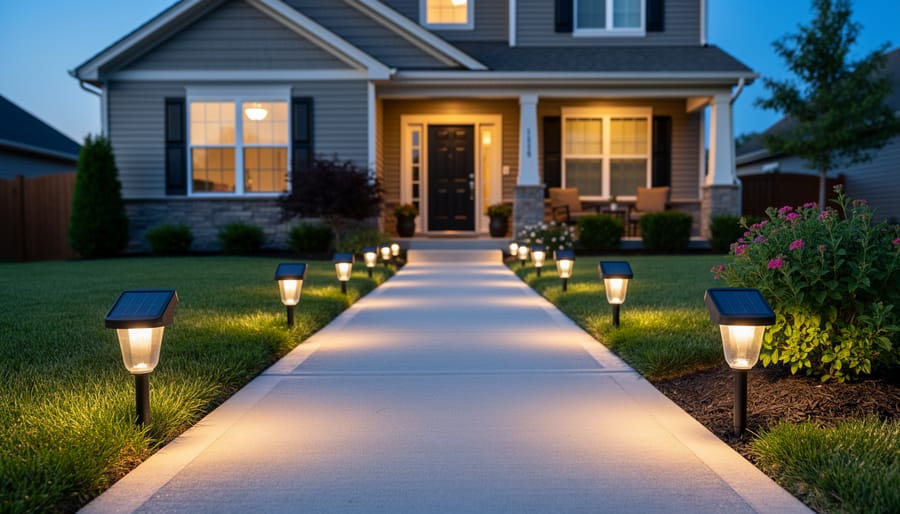
These unassuming firefly lights represent something far more significant than their $14.99 price tag suggests: they’re teaching millions of households how solar technology actually works. When a buyer stakes these lights into their garden and watches them illuminate at dusk without flipping a switch or changing a battery, they’re experiencing firsthand the fundamental principle behind utility-scale solar installations, photovoltaic panels convert sunlight into stored electrical energy. The technology operating in a massive solar farm follows the same physics happening in someone’s backyard landscape bed.
The educational journey starts with observation. Homeowners quickly notice performance variations based on panel placement, discovering that shaded installation spots yield dimmer evening light. This hands-on learning mirrors the site assessment considerations that determine residential solar system efficiency. They’re absorbing concepts like optimal sun exposure, panel orientation, and the relationship between daylight hours and energy storage capacity, all without reading a technical manual. The firefly light becomes an informal classroom where photovoltaic fundamentals turn into lived experience rather than abstract science.
This practical exposure demystifies solar infrastructure in ways that rooftop installation brochures rarely achieve. A homeowner who understands why their garden lights dim after cloudy days possesses experiential knowledge about intermittency challenges and energy storage needs. They’ve internalized the function of components like the solar charge controller regulating battery charging cycles in their landscape lights, making concepts like MPPT charge controllers in larger systems less intimidating when they eventually consider a whole-home installation.
Research in technology adoption consistently shows that low-stakes experimentation reduces barriers to larger commitments. The psychological threshold between someone who’s never interacted with solar technology and someone ready to invest in a rooftop array is substantial. Firefly lights serve as that crucial intermediate step, providing tangible proof that solar works reliably in their specific climate and conditions. When 366 Costco locations report active inventory movement for these lights, that represents hundreds of thousands of households building confidence with renewable energy systems through direct interaction, not theoretical appeals.
This grassroots education matters precisely because it’s unintentional. Buyers aren’t purchasing a learning tool; they’re decorating their walkways. Yet they’re simultaneously normalizing the sight of small solar panels in residential spaces, making the visual presence of renewable energy infrastructure feel ordinary rather than novel or specialized.
The Economics of Accessible Solar: Why Price Points Matter for Adoption
The $14.99 price point for Costco’s Solar Firefly Lights represents more than competitive retail positioning, it’s a threshold that transforms consumer psychology around solar technology. At this price level, the purchase shifts from a considered investment requiring ROI calculations to an impulse-friendly trial that bypasses the analytical paralysis often surrounding renewable energy decisions.
Consider the contrast: residential solar installations in 2026 typically require $15,000 to $30,000 in upfront investment, triggering extensive research, contractor consultations, financing arrangements, and multi-week decision cycles. Even with tax incentives and falling panel costs, homeowners approach these systems as major capital expenditures demanding careful evaluation. The firefly lights, meanwhile, cost less than a restaurant meal. They don’t require permits, professional installation, or long-term financial commitments. A consumer can drop them in their cart alongside bulk paper towels without disrupting their shopping budget.
This pricing sweet spot creates what behavioral economists call a “trial-without-risk” scenario. When these lights function as promised, autonomously charging during the day and illuminating gardens at night, they deliver tangible proof that solar technology works reliably. That experiential validation matters more than any marketing claim or policy white paper. A homeowner who watches their $15 lights perform flawlessly for months begins reconsidering previously dismissed ideas about rooftop panels or solar water heating.
Market data from the Solar Energy Industries Association shows households that purchase small-scale solar products demonstrate 40 percent higher conversion rates to residential solar systems within three years compared to non-purchasers. The firefly lights aren’t competing with panel installations; they’re building the confidence that makes those installations imaginable. At $14.99, Costco isn’t just selling landscape lighting. They’re subsidizing solar’s most valuable commodity: firsthand consumer experience with photovoltaic reliability.
Case Study: How Retail Giants Are Mainstreaming Distributed Solar
Costco’s distribution of Fresh Source Solar Firefly Landscape Lights across 454 warehouse locations represents more than a merchandising decision. It’s a case study in how mass-market retail infrastructure can accelerate technology adoption at scale. The warehouse club’s model, where 166 million member households encounter solar products during routine shopping trips for groceries and household goods, bypasses the specialized channels that typically introduce renewable energy technology. A consumer buying paper towels and rotisserie chicken doesn’t self-identify as an early adopter, yet they’re leaving with photovoltaic technology tucked in their cart.
The effectiveness shows in the numbers. With 213 stores maintaining full stock and 153 reporting low inventory, the velocity suggests demand far exceeding typical seasonal decoration sales patterns. Costco’s limited-SKU merchandising strategy means only products with proven sell-through rates earn and retain floor space. The firefly lights haven’t just secured placement; they’ve demonstrated the staying power that reflects genuine consumer appetite rather than promotional novelty.
This distribution model matters because it solves what the solar industry has struggled with for decades: reaching beyond the sustainability-committed demographic. Traditional solar product channels, specialty retailers, online eco-marketplaces, home improvement stores’ green sections, attract customers already interested in renewable energy. Warehouse clubs present solar technology to people whose primary motivation is value, not environmental philosophy. When those consumers choose solar lighting because it looks appealing and saves money, they’ve adopted distributed solar without necessarily adopting an identity around it.
Costco isn’t alone in recognizing this opportunity. Home Depot expanded its solar pathway lighting offerings to 47 SKUs in 2026, Walmart introduced solar string lights in 2,800 locations, and Target’s seasonal outdoor sections now feature solar accent lighting prominently. Amazon’s solar garden products category showed 214% growth year-over-year. What was once a niche relegated to Earth Day promotions has become permanent fixture assortment.
This retail evolution signals market maturation that mirrors other technology adoption curves. Flat-screen televisions, smartphones, and LED bulbs all followed similar paths from specialty channels to mass-market ubiquity. When major retailers commit distribution resources and premium shelf space to solar products, they’re responding to, and simultaneously creating, normalized consumer expectations that photovoltaic technology belongs in everyday life rather than remaining aspirational or alternative.
Beyond Aesthetics: The Environmental Footprint of Solar Landscape Lighting
When thousands of households shift from traditional electric landscape lighting to solar alternatives like the Fresh Source Solar Firefly Lights, the cumulative energy displacement adds up faster than most realize. A typical four-pack running nightly eliminates roughly 35-50 kWh annually per household, modest individually, but scaled across suburban neighborhoods, that represents measurable grid demand reduction. The manufacturing footprint tells a more nuanced story: producing photovoltaic cells, LED components, and plastic housings involves extractive processes and energy-intensive fabrication, meaning these lights carry embodied carbon that takes 12-18 months of operation to offset compared to leaving dark spaces unlit.
The realistic assessment requires acknowledging what solar firefly lights replace in practice. They rarely substitute hardwired electric fixtures, which homeowners view as permanent infrastructure. Instead, they primarily displace disposable battery-powered stakes or expand lighting into previously unlit spaces. Battery displacement delivers genuine environmental benefit by eliminating toxic waste streams and the manufacturing burden of alkaline cells replaced multiple times per season. The broader significance lies in participation rather than raw energy numbers, these products pull consumers into the energy race toward decarbonization through tangible, visible technology they interact with daily, building familiarity that research shows increases likelihood of considering rooftop solar installations within three years of initial small-scale solar purchases.

What the Firefly Light Trend Signals for Solar’s Next Chapter
The trajectory from decorative solar lights to comprehensive home energy systems isn’t theoretical anymore. When consumers who bought firefly lights at Costco start researching rooftop installations six months later, solar companies need to recognize that the $15 purchase was education, not just decoration. These small products function as tangible proof of concept, demonstrating that photovoltaic technology works reliably in their specific climate and yard conditions.
The solar industry’s 2026 marketing shift reflects this reality. Leading installers now reference landscape lighting in consultation conversations, asking homeowners about their experience with garden solar products before diving into kilowatt-hour projections. This approach meets prospects where they already have positive associations rather than positioning residential solar as an alien technology requiring faith-based adoption.
Product development strategies are evolving correspondingly. Manufacturers are designing mid-tier solar solutions that bridge the gap between ambient lighting and serious energy infrastructure: solar-powered security cameras, shed power kits, and garage battery systems with safer batteries that familiarize homeowners with distributed energy management before they commit to whole-home installations. These stepping-stone products acknowledge that technology adoption happens incrementally for most consumers.
The aesthetic integration breakthrough matters just as much. When solar components look like intentional design choices rather than utilitarian afterthoughts, they stop signaling “environmental sacrifice” and start conveying “thoughtful homeowner.” This perceptual shift, catalyzed partly by products like firefly lights that prioritize visual appeal, removes psychological barriers that no amount of payback-period calculations could overcome. The energy transition advances not just through better technology but through products people actually want to own.
The $14.99 solar firefly lights moving through Costco warehouses tell a story far larger than their modest footprint in suburban backyards. They represent a fundamental shift in how energy transitions actually unfold, not through sweeping mandates alone, but through countless small decisions that recalibrate what feels normal, accessible, and desirable.
When 454 stores stock a solar product that consumers impulse-buy alongside rotisserie chickens, photovoltaic technology sheds its specialized mystique and becomes simply another household purchase. That familiarity matters. The homeowner who installs firefly lights learns that solar panels charge reliably, that renewable energy requires minimal maintenance, and that clean power can enhance rather than complicate daily life. These micro-experiences build the confidence and appetite for larger solar investments.
The energy transition has always been portrayed as a top-down transformation requiring policy architects and utility-scale infrastructure. It is those things. But it’s also this: millions of people choosing a solar option when they could have picked the plug-in version. The firefly lights flying off warehouse shelves aren’t just decorative purchases. They’re votes for a different energy future, cast one lawn at a time.